Hamburg port history is longer and more central to the city’s identity than most first time visitors expect, and the single fact that trips up the most international searchers is simple: Hamburg’s port sits entirely within Germany, on the Elbe river, not in a separate country or on the open sea. Here’s what I’d actually tell a first time visitor before boarding a harbour cruise: the port you are about to see on the water has grown continuously for more than eight centuries, and that scale is part of what makes a harbour cruise worth booking rather than skipping.
Why does Hamburg’s port history matter to someone just visiting for a day?
Because the port is not a backdrop to the city, it effectively built the city, and understanding that turns a harbour cruise from a pleasant boat ride into a look at the actual reason Hamburg exists where it does and looks the way it does.
I would make this point to anyone who thinks of a harbour cruise as a generic sightseeing filler rather than the main event. Hamburg’s wealth, its warehouse architecture, its modern waterfront redevelopment and even its population growth over the centuries all trace back to the same river crossing point that made the original 1189 trading charter worth granting in the first place. Seeing that history from the water, rather than reading about it afterward, is the difference I would point to between a forgettable boat ride and one that actually sticks with you.
Which country is the Port of Hamburg in?
Germany. The Port of Hamburg sits on the Elbe river within the city of Hamburg, in northern Germany, roughly 100 kilometres inland from the North Sea.
I would clear this up early for anyone unfamiliar with the city, since the port’s international shipping traffic sometimes leads searchers to assume it sits somewhere else entirely. My full Hamburg cruise port guide covers what to expect if you are arriving specifically as a cruise passenger.
When did the Port of Hamburg begin?
The port traces back to a charter granted in 1189 by Emperor Frederick I, which gave Hamburg trading rights and freed ships using the port from certain tolls, a foundation most historians treat as the port’s real starting point.
I would treat this date as genuinely remarkable context for a modern harbour cruise, since few working ports anywhere in the world can claim an unbroken trading history stretching back that far. My guide to Hamburg’s harbour cruise types is where I would go next to pick the right cruise once the history itself has you interested in seeing the port from the water.
Why did the Port of Hamburg grow so large?
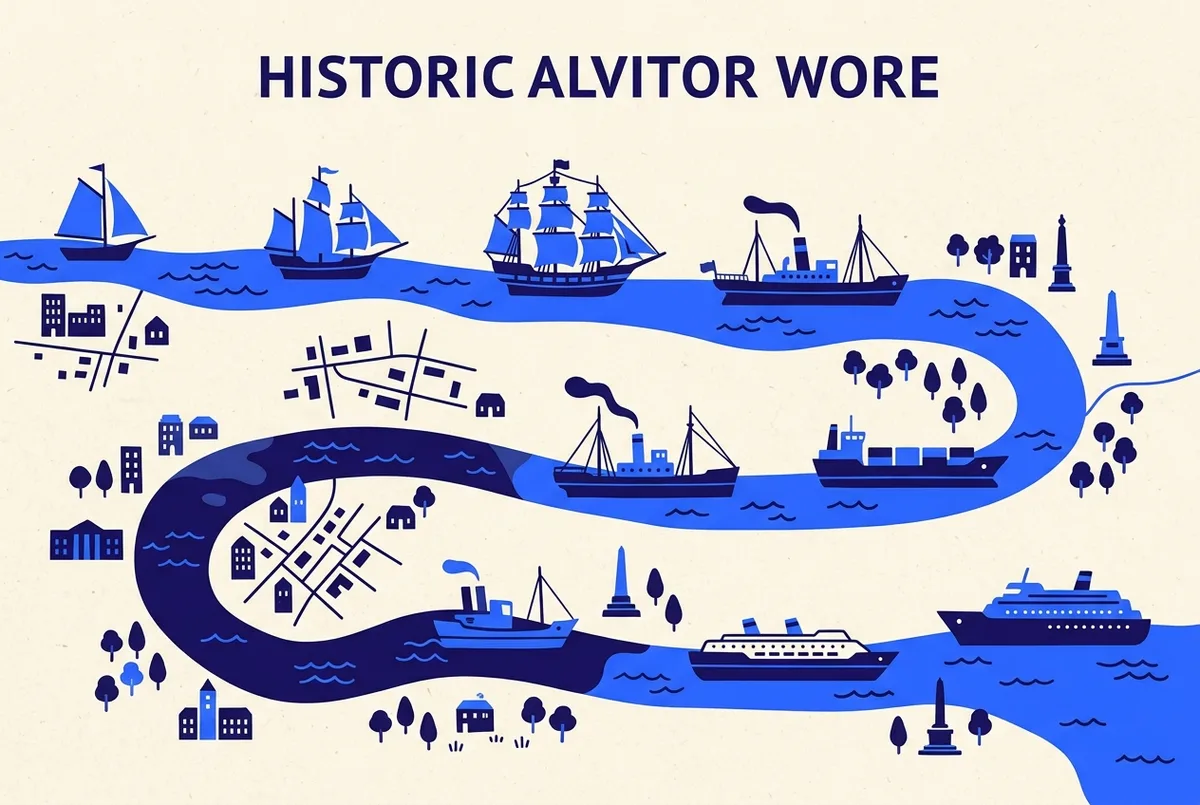
Hamburg’s position on the Elbe gave it reliable river access to inland Germany and central Europe while still reaching the North Sea, a combination that made it a natural hub for trade long before it became one of the busiest container ports in Europe.
I would point to that river position, not luck, as the real reason Hamburg outgrew most of its early rivals. The same geography that built the port’s trading history is exactly what a harbour cruise lets you see today, warehouses and terminals that grew up specifically because ships could reach this far inland. My page on checking the port’s current cruise ship schedule is useful if your own visit is a cruise call rather than a longer city stay.
What is the Speicherstadt and how does it fit into the port’s history?
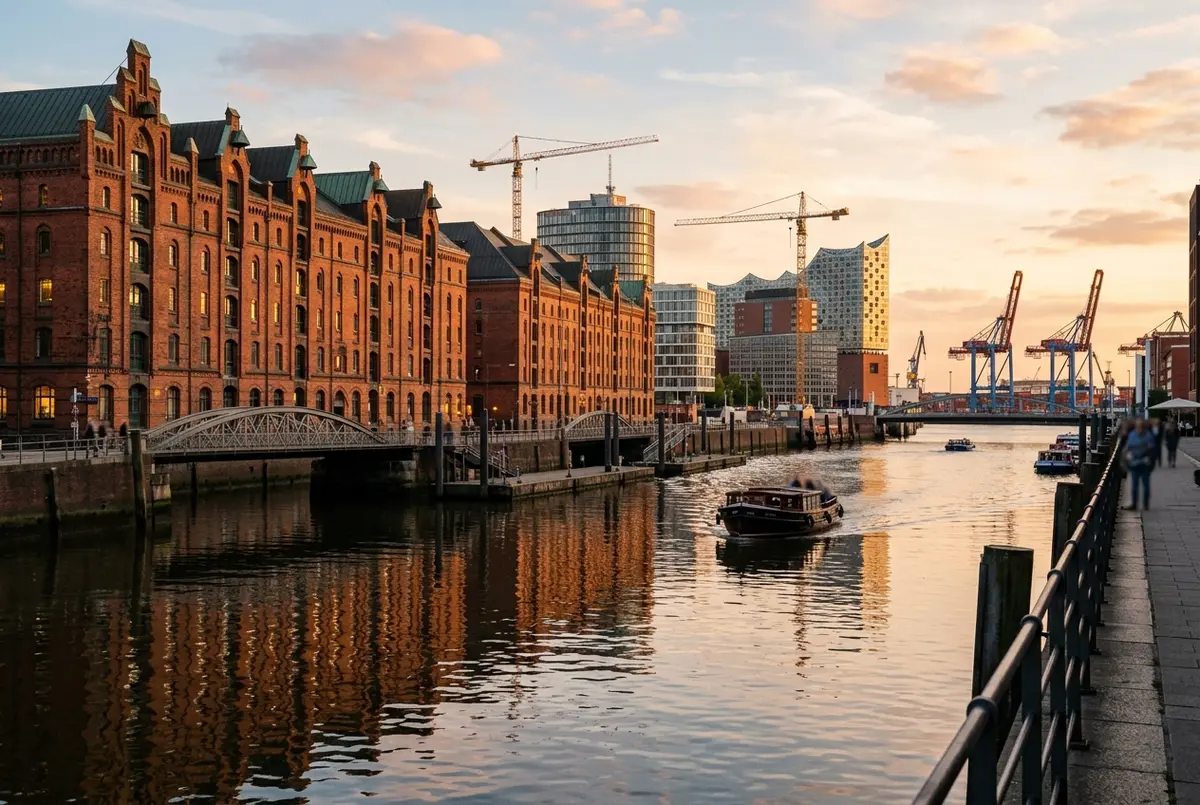
Speicherstadt is the world’s largest warehouse district, built from the late 19th century onward to store goods moving through Hamburg’s expanding port, with its distinctive red brick buildings rising straight out of the water on timber piles.
I would call Speicherstadt the single most visually striking piece of the port’s history still standing today, and in my view it is the strongest reason to see Hamburg’s harbour from a boat rather than only from the street. The Hamburg Harbor and Speicherstadt Day Cruise runs 1.5 hours and includes a stretch through these exact canals, tide permitting. Check the route and current availability here if this history is what drew you to Hamburg’s water in the first place.
How did the port survive and rebuild after major historical setbacks?
Hamburg’s harbour suffered serious damage during the Second World War, and the decades that followed saw a long rebuilding and modernisation effort that eventually turned the port into the large scale container hub it is today.
I would see that rebuilding as just as important to the port’s story as its medieval founding, since it explains why so much of what you see on a modern harbour cruise, container terminals, cranes, shipyards, reflects 20th century investment layered on top of a much older trading foundation. The mix of old brick warehouses and modern steel infrastructure side by side is, in my view, exactly what makes a Hamburg harbour cruise visually interesting in a way a purely historic or purely modern port rarely manages.
Is the Port of Hamburg still one of Europe’s largest?
Yes, Hamburg remains one of Europe’s largest and busiest ports by container traffic, continuing a role it has held in various forms since medieval trading expanded it well beyond its original river harbour.
I would not assume a historic port automatically means a quiet or purely scenic one though. Hamburg’s harbour is a genuinely active working port, with real cargo ships, cranes and shipyards visible on almost any cruise, which is part of what makes the experience feel authentic rather than staged. My comparison of the best cruise ports in Germany puts Hamburg’s scale next to the country’s other main ports.
How does the port’s history connect to Hamburg’s modern HafenCity district?
HafenCity, Hamburg’s newest waterfront district, was built on former dockland as the port’s operations modernised and moved further downstream, turning old harbour land into housing, offices and the Elbphilharmonie concert hall.
I would see HafenCity as the port’s history still actively unfolding rather than a separate, unrelated neighbourhood, since the land itself only became available for this kind of development once older port functions relocated. My page on Hamburg’s two cruise ship terminals explains how one of today’s terminals sits right inside this redeveloped district.
Why does understanding the port’s history make a harbour cruise more worthwhile?
Because recognising what you are actually looking at, centuries old trading infrastructure next to some of Europe’s busiest modern shipping terminals, adds real context that a purely scenic boat ride would otherwise lack.
I would spend a few minutes on this history before boarding any Hamburg harbour cruise, since it changes a pleasant boat ride into something closer to seeing a genuinely significant piece of European trading history up close. My page on getting from a cruise terminal into the city is useful if you are combining this history with a cruise ship shore day specifically.
What role did immigration play in the port’s history?
Hamburg’s port served as a major departure point for European emigrants travelling to the Americas through the 19th and early 20th centuries, a role that shaped the city’s trading and passenger infrastructure well beyond pure cargo handling.
I would mention this history alongside the warehouse district’s own story, since both reflect the same underlying fact, Hamburg’s port has always handled far more than goods moving through a single trade route. Passengers, raw materials, finished goods and, later, massive container volumes have all passed through the same stretch of water across different centuries, which is part of why the harbour still feels genuinely layered rather than built around one single era.
My recommendation
If you only read one section, read this: Hamburg’s port sits entirely in Germany, on the Elbe, and its history stretches back to a 1189 trading charter that still shapes the harbour you see today. I would book the Hamburg Harbor and Speicherstadt Day Cruise specifically to see this history from the water rather than only reading about it, since the Speicherstadt canals and the working port are both still active, visible parts of that same centuries long story. My every hamburg boat tour and ticket compared here page covers the other formats if a different kind of cruise suits your visit better.
Frequently asked questions
Is the Port of Hamburg in Germany or the Netherlands?
Germany. Hamburg sits on the Elbe river in northern Germany, roughly 100 kilometres from the North Sea, and should not be confused with any Dutch port.
How old is the Port of Hamburg?
The port’s recognised founding dates to a 1189 trading charter, making it well over eight centuries old, though the harbour likely saw some trading activity even before that formal charter.
What is the oldest part of the Port of Hamburg still visible today?
The Speicherstadt warehouse district, built from the late 19th century, is the most visually striking historic section still standing, though it postdates the port’s original medieval founding by several centuries.
Can I see the port’s history on a harbour cruise, or only in a museum?
A harbour cruise through the Speicherstadt canals and the working port lets you see genuine historic infrastructure directly from the water, and the Port of Hamburg’s own Wikipedia entry is a solid source if you want deeper reading before or after your trip.
Is Speicherstadt a UNESCO World Heritage Site?
Yes, Speicherstadt holds UNESCO World Heritage status alongside the neighbouring Kontorhaus district, recognising it as the world’s largest historic warehouse complex still standing on its original timber pile foundations.